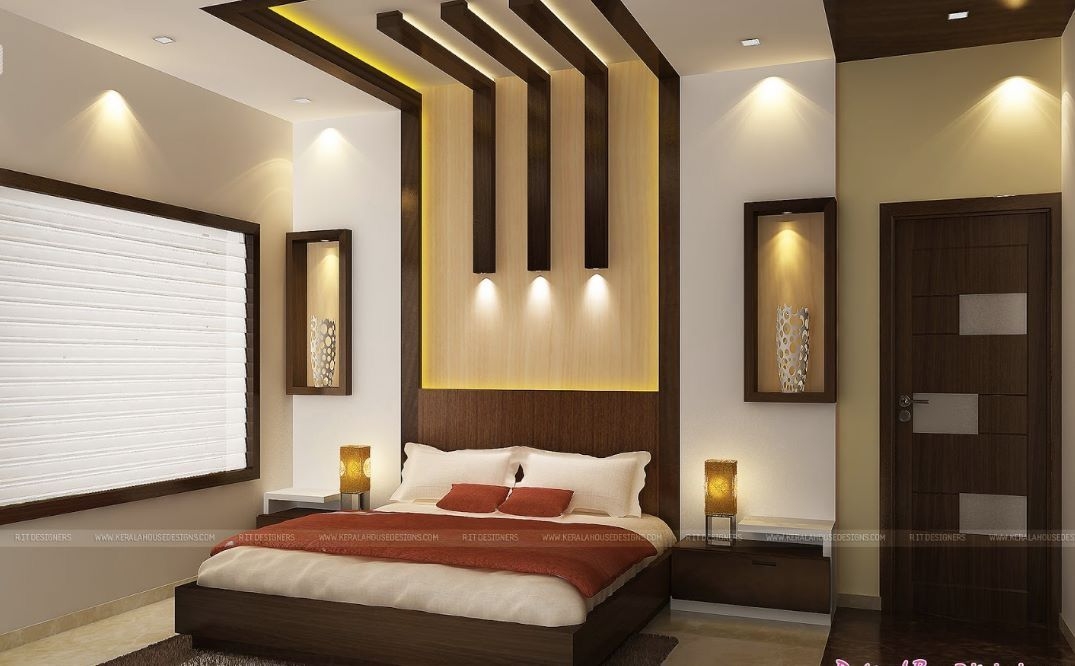
At Saifi Build, false ceiling projects like this one come through our workshop every week across Etah, Kasganj, Aligarh, Agra — this guide reflects what we've actually seen hold up on site, not just textbook theory.
How each one is installed
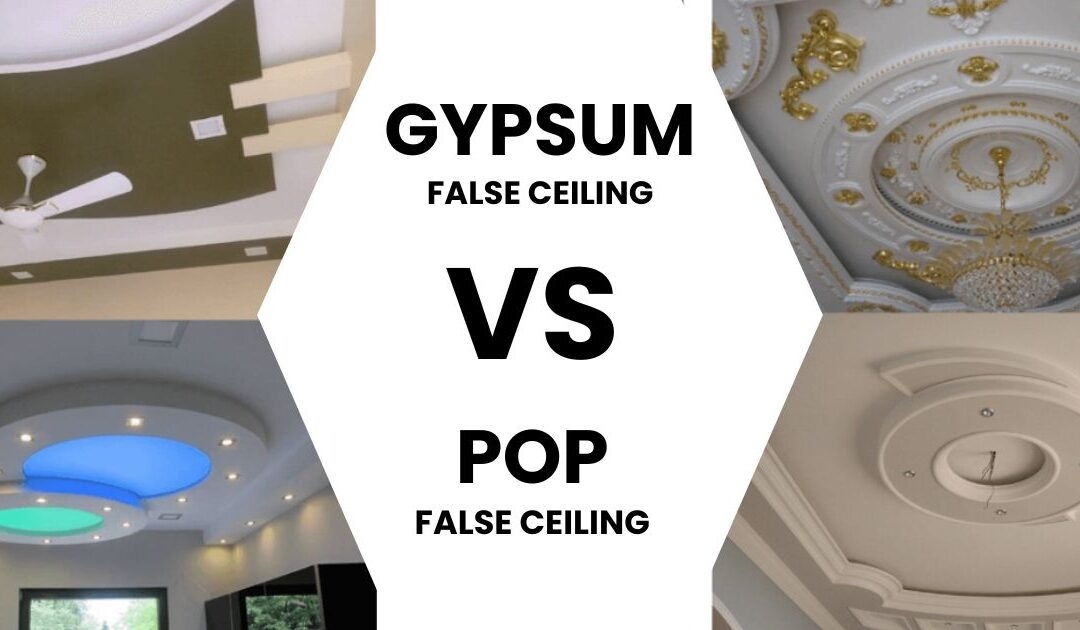
POP false ceilings are built by applying wet plaster over a metal mesh frame directly on site, which allows almost any curved or sculpted design. Gypsum ceilings use pre-manufactured boards fixed onto a metal channel framework, which makes installation faster and less messy since there's no wet plaster work involved.
Design flexibility and finish
POP wins when a project calls for curves, coves or elaborate mouldings, since wet plaster can be shaped freehand on site. Gypsum boards are better suited to clean, geometric designs and multi-level ceilings with recessed lighting, and they take paint more evenly with fewer touch-ups over time.
Cost, time and long-term durability
Gypsum installations are generally quicker to complete and produce less on-site mess, which matters for occupied homes or offices. POP ceilings, while often slightly cheaper on material cost, take longer to cure and finish. In humid climates, gypsum boards handle moisture more consistently over the years, while POP can develop hairline cracks if the base structure shifts slightly.
Why Homeowners Choose Saifi Build
Saifi Build has been delivering false ceiling and other fabrication work across Etah, Kasganj, Aligarh, Agra for over a decade, with an in-house team handling everything from the first measurement to final installation — so the standard stays consistent from a small home repair to a full commercial contract.
Ready to start your own false ceiling project? Visit us at saifibuild.work or reach out directly for a free site visit and a transparent, itemised quote — no pressure, no obligation to proceed.
Written by Editorial Team
Looking for False Ceiling in Etah?
Stylish, durable false ceiling installation across Etah and Kasganj.