At Saifi Build, aluminium work projects like this one come through our workshop every week across Etah, Kasganj, Aligarh, Agra — this guide reflects what we've actually seen hold up on site, not just textbook theory.
Why aluminium changed window design
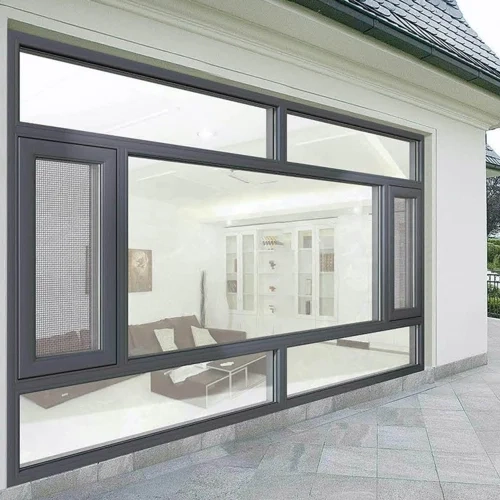
For decades, homeowners had to choose between the strength of steel and the low maintenance of uPVC. Aluminium closed that gap. Its slim frames let in more daylight than older window systems while still holding up against monsoon humidity, coastal salt air and years of daily use without warping or rusting.
Modern aluminium profiles are also built with thermal breaks — a layer of insulating material inside the frame that stops heat from simply passing straight through the metal. That single design change is what turns a good-looking window into an energy-saving one.
Where the actual savings come from
Three things decide how much a window saves you: the frame's thermal break, the glass unit (single, double or low-E glazing), and how tightly the window seals when closed. Sliding and casement aluminium windows with double glazing typically keep a room 3–5°C cooler in peak summer compared to older wooden or basic steel windows, which means the air conditioner runs less.
In winter or during cooler months, the same insulation works in reverse, keeping conditioned or naturally warm air from escaping through gaps. Over a year, that adds up to a noticeably lower electricity bill, especially in rooms that get direct sun exposure for most of the day.
What to check before you install
Not all aluminium windows are equal. Ask for the frame's thermal performance rating, confirm whether the glazing is single or double, and make sure the installer seals the gap between the frame and the wall properly — a perfectly good window can still leak air if it's fitted poorly.
For most residential projects, a double-glazed aluminium sliding window with a powder-coated finish offers the best balance of cost, durability and energy performance, and it's the specification we recommend most often for west-facing rooms that take the harshest afternoon sun.
Why Homeowners Choose Saifi Build
Saifi Build has been delivering aluminium work and other fabrication work across Etah, Kasganj, Aligarh, Agra for over a decade, with an in-house team handling everything from the first measurement to final installation — so the standard stays consistent from a small home repair to a full commercial contract.
Ready to start your own aluminium work project? Visit us at saifibuild.work or reach out directly for a free site visit and a transparent, itemised quote — no pressure, no obligation to proceed.
Written by Editorial Team
Looking for Aluminium Work in Etah?
Premium aluminium fabrication and installation for homes and businesses in Etah and Kasganj.